Travel the world like you mean it!
- Jul 27, 2015
- 16 min read
Why should you travel?
Traveling gives you kaleidoscopic vision. It permits you the freedom to alter your reality, and experience a world that is much brighter, happier and more exciting. Over time you come to realise that you are the ‘master of your own destiny’: the matrix is in your hands, and can be realigned at anytime. Of all the lessons I have learned, this is probably the most empowering.
Thankfully, I got to experience a little of the world before I made too many pertinent decisions - and I can’t tell you how pivotal that has been. I no longer covet professional acclamation, material possessions or affirmation from strangers; instead I aspire to a life of exuberance and fulfilment. I yearn for a career that inspires; friends that laugh; and a pocketful of memories that I can cherish forevermore.
As anyone that has traveled alone will attest, there are times that you’ll feel massively vulnerable, but it takes no more than one kind stranger to jettison those emotions completely. I have always celebrated compassion and bravery, but it is only now that I can really appreciate their true value. When we think about it logically, the only way we know how to cope with anything in life is because we have experienced it before. Traveling forces you to face uncomfortable and unfamiliar situations on a daily basis, accelerating your learning beyond measure. These tools stay with you for life and not only do they improve your adaptability, confidence and self-awareness, they increase your capacity for compassion. With limitless application, anything becomes possible.
Living out of a backpack is an exercise in self-control; since you're only willing to accumulate as much as you're prepared to carry you learn very quickly how to live with very little. Most people spend their lives either paying for their possessions, or guarding them. I used to be one of them. But, after almost four years away, I now have the ability to let things go (with the exception of a few sentimental articles); and believe me when I tell you - that skill has quite literally set me free.
Having said all that, traveling isn’t for everyone - and I can respect that. There are a multitude of reasons that people might not leave: moral obligations, financial responsibilities or simply, a genuine love of their life as it is. My intention isn’t to belittle those that don’t travel, but encourage those that want to. And so, if you feel adventure beckoning, take heed - it will be the best decision you ever make!
What about Uni?
Most decisions to enrol in University are cursory at best; we do it because we think we should. We are taught that without higher education we are less desirable, predisposed to capped earnings and face professional discrimination. Little reference is made to saturated job markets, crippling debts and economic recessions - all of which struck as soon as I graduated. For the three years that I was at Leeds, I was consumed by the imagined trajectory that I would ‘achieve the grade, start a career and pay off my impeding debt’ - with little consideration for the life that I wasn’t living.
Now, I don’t regret going to University, (simply because I don’t regret anything) and I can’t comment on life without the experience, but what I do know is that I have learned far more on my travels than I ever could inside a classroom. I can exercise kindness when upset; patience when frustrated; and diplomacy when angered. I know how to listen, to understand and to appreciate. I can access reservoirs of strength I never knew I had and bury my nerves when necessary; but most importantly, I recognise that I’m no better than anyone else.
Of course at eighteen, we don’t know what will inspire us at 25, 35 and 50, and this could mean graduating with a degree that becomes somewhat redundant over time. Sadly employers look to our qualifications as a rudimentary barometer for measuring eligibility, failing to consider our passions, enthusiasm and drive - which are the true keys to success.
And so if you’re still undecided about Higher Education, or anxious about the monetary ramifications, I encourage to get out and explore the world. It is a beautiful place, full of incredible people and more opportunities that you could ever imagine. I promise, it will make the decision for you.
I have a degree, is it a waste to go traveling?
It was only once I graduated and decided to go traveling that I realised what life was actually about. The pressure was off to find a ‘grown up job’ and after months of dissertation-induced isolation I was ready to have a little fun. And so, I consciously handed the reigns to my heart, and chased inspiring companies and happy teams, rather than competitive salaries. I cannot tell you how valuable that lesson was. For six months I held down five jobs: I was a hotel waitress five days a week; a barmaid three nights a week; a sales assistant two days a week; a festival hand occasionally and a freelance artist whenever I had a second to spare. Not only did I manage to save up enough money to take myself away for a year, I had an absolute blast doing it.
Admittedly, none of these jobs utilised my degree, but collectively they endowed me with an armoury of skills, in a number of industries and a ever-growing catalogue of interests. I have a life beyond my work-week and a wealth of memories that I wouldn’t trade for anything. It has been four years since I graduated and I’ve gone from wanting to be a cafe consultant, to an interior designer, and have now settled on writing- none of which have any direct bearing on History. As the old adage goes 'it’s more about the journey, than the destination’. I don’t consider my professional dabbling a waste, because without them, I wouldn’t be who I am today. So don’t let expectations dictate your life, follow your heart and enjoy the ride.
Should I travel alone or with someone?
In reality, you’re never really alone. If you haven’t made a pal on the plane, or a buddy on the bus, you’re guaranteed to find a homie at the hostel. When I first left London, I flew straight to Nepal, not really knowing what I had signed up for (turns out I was doing a ten day trek through the Himalayas). I remember stepping off the plane into a sea of taxi drivers, each vying for my attention by waving their hands and shouting. To say I was intimidated would be an understatement. Nevertheless, it took less than half an hour at the hostel for the rooms to start filling up and for my roomie to introduce herself. Harriet was confident, self-assured and incredibly organised - all the things I wasn’t. She was also patient, kind and understanding - reassuring me that I had made the right decision and would be able to survive the 90km uphill climb. Turns out, she was right. I completed the challenge and got to experience what true camaraderie feels like - and believe me, it’s incredible.
If you ask me, I don’t think there’s anything more rewarding than flying solo on your first adventure. Of course you’ll be scared, lonely and maybe even doubtful at times; but you’ll also feel exhilarated, excited and ever so accomplished. Without realising it, you’ll conquer fears, emend misconceptions and encounter a self you never knew existed. It’s an accelerated way of living, that turns strangers into friends faster that you could pour a drink; let’s you see more in a month than most see in a year; and teaches you as much as you could possibly comprehend.
That being said, traveling with someone has it’s virtues too: I can attest to both. It's worth noting at this point, compatibility is paramount. Stressful situations, long journeys and confined spaces can reveal a side of a person that you never knew existed. However, if you're certain that this person will still be smiling after twelve hours on a motorbike in Vietnam, you're onto a winner!
For a little added comfort, I would like to draw attention to South East Asia: the bastion of easy travel. Thailand, Laos, Vietnam and Cambodia make it onto the itinerary of almost every new traveler, and for good reason: they’re affordable, easy to navigate and rely on English for communication. Although some seasoned travellers will turn their nose up at this, at one point they really appreciated being able to order food, organise transport and book accommodation easily. They’re a great place to start, and since most people head there, you’re guaranteed to make a friend.
How to I travel as a lone female?
Traveling as a lone female is fine - so long as you’re vigilant. You need to exercise all the same precautions you would if you were at home: not walking alone at night; not flashing expensive objects or money; and monitoring your alcohol consumption. As my dad always says: 'walk with conviction', it promotes an air of confidence and makes you look like less of an easy target.
For most girls, I would recommend South East Asia for your first trip away. Aside from all the aforementioned reasons, Buddhist culture dominates here and demands mutual respect. This makes a huge difference when it comes to social interactions, which in other countries has, at times, been unsettling. I never felt in danger here, and always knew that if any problems did arise, someone would happily help. And they did.
Furthermore, there are so many young travellers there, you’ll probably end up with a travel companion before your first day is up anyway.
Recommendations?
If you want my personal preference then it’s got to be either Sri Lanka or Thailand. For me, they stand out as two of the most friendly, happy and beautiful places I have ever been. I can promise that after a month in either you will feel nourished in mind, body and spirit. It’s also worth considering visiting places in the off-season. Places might not be as lively, but accommodation is a lot cheaper and hosts are a far more flexible.
Thailand
Koh Tao remains my favourite place, although I might be biased because it’s where I met Lucan.
Chiang Mai, Pi and Chiang Rai are slowly becoming more touristy, but still beautiful.
Ampawah is a lovely floating market, well worth the journey.

Laos
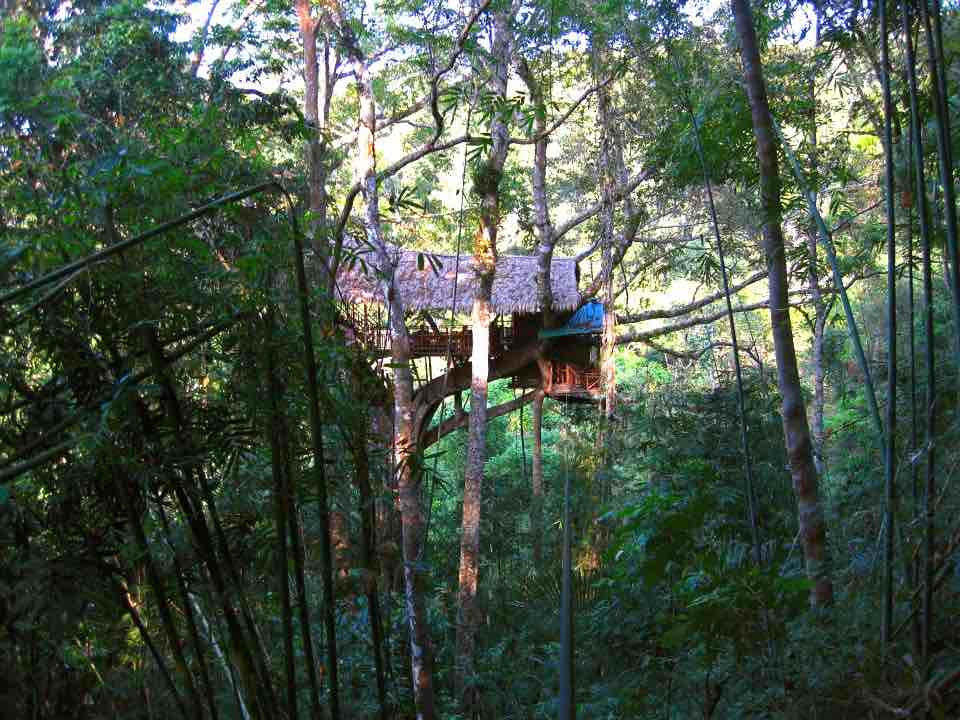
‘The Gibbon Experience’ in Hoiax allows you to spend three nights living in a 40ft high treehouse. You navigate the forest on foot and use ziplines to get you in and out of the eight treehouses, and across a massive valley. Delicious food is delivered three times a day and there's always a guide on hand to show you around.
Cambodia
Aside from all the obvious things, I strongly recommend seeking out Borex the ‘Rock and Roll’ tuk-tuk driver in Siem Reap. This guy was incredible! He agreed to take us to Angkor Wat for sunrise, meeting us at our hostel with freshly peeled mango, and a laptop mounted to the roof so we could ‘educate’ ourselves on the way. He waited patiently all day, and surprised us with a Bob Dylan rendition which entertained us for much of the return journey.

Vietnam
The best way to see this country, in my humble opinion, is by motorcycle. I would recommend buying one in the North and selling it in the South as you’ll more than likely make a profit; if you do it in reverse, chances are, you’ll sell them at a loss.
We were advised to buy from locals simply because they take better care of the bikes than tourists do.
When you buy one, be sure to get the ‘blue slip’ as you can’t sell it without them, and if you get pulled over by the police, they’ll assume it’s stolen and seize the bike.
Be savvy when it comes to road blocks, some are real, but most are just an excuse to stop tourists and extort money from them.
Explore the ‘alternative’ spots, as you’re less likely to get stung by inflated prices and can skip the crowds. eg. Mai Chau instead of Sapa, Bai Tu Long instead of Halong Bay.
Absolutely make sure you visit Phong Nha and Paradise Cave - they will blow you away!

India
Southern Goa, Palolem in particular was absolutely stunning. My mum and I stayed at a fabulous place called ‘Cieran’s’ and I couldn’t recommend it highly enough.
I didn’t make it to Kerala, or the Backwaters, but I’m definitely considering it for the future.
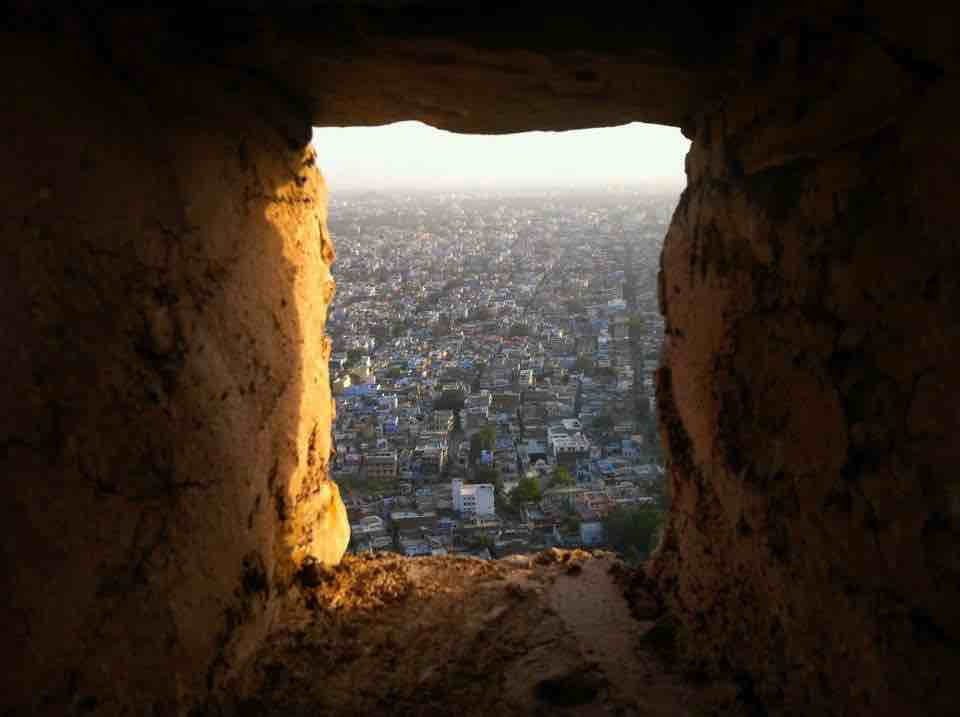
Rajistan is hectic! If you’re a seasoned traveler, go for it; if you’re not, I’d recommend waiting until you're a little more confident.
Nepal
I cannot stress enough how lovely the Nepalese are. Admittedly I was hiking through the Himalayas for the majority of my time there, but there wasn’t a single day that passed where I didn't encounter happy, smiling locals. They are warm, generous and ever so thoughtful. Although Kathmandu can seem a little hectic, it’s great fun once you get used to it, and Pokhara, well, that’s just a little slice of wonderful.

Indonesia
Lombok was fantastic! We stayed at a fabulous hostel called Tri Putri where we paid $2.50 a day for a double room, breakfast and 24 hour scooter rental.
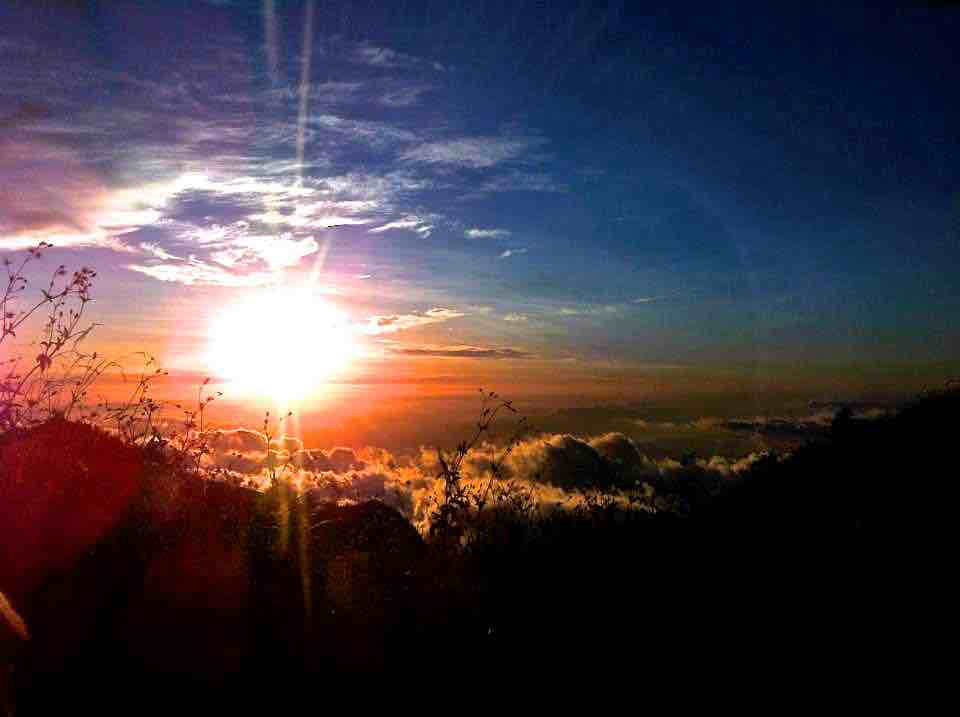
Rinjani is a volcano within a volcano and MORE than worth the three day trek to it’s peak.
Komodo Dragon Cruise from Lombok to Flores still remains one of the most fabulous four days of my life. For about $100 we were fed, entertained and allowed to bask in the sunshine on the bow of a boat. Had my group of friends been big enough, they would have chartered us our very own private ship.
If you make it to Flores, try and check out Kelimutu. It’s a volcano containing three lakes which can change colour over night in reaction to minerals in the rock.
Sri Lanka
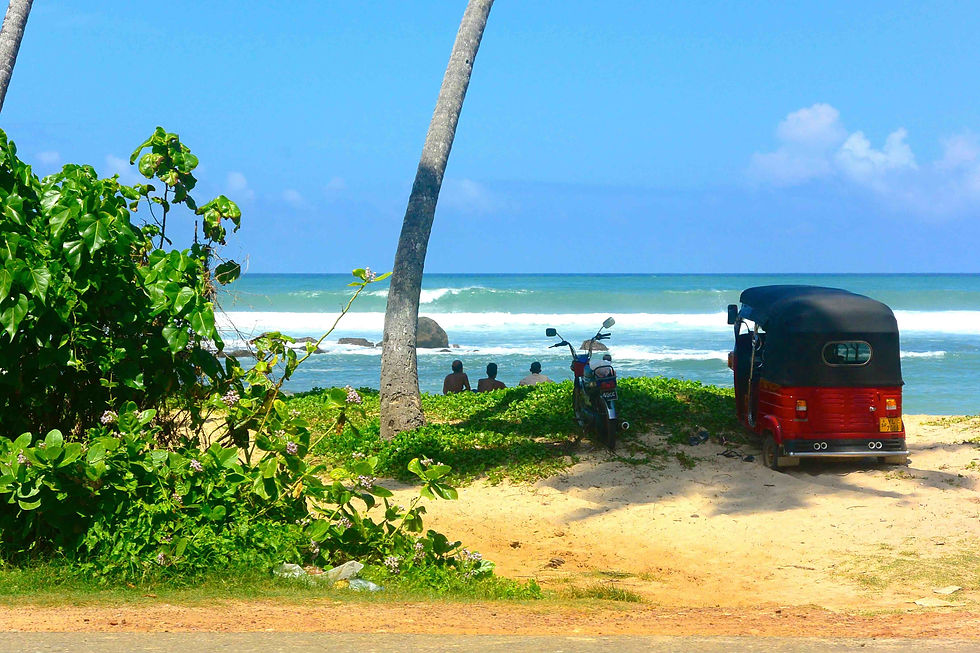
Marissa Beach in the South is not only beautiful, it’s full of wonderful people and great food!
The journey from Kandy to Colombo takes my breath away every time I look at my photos. It cost less than $3 for a six hour journey that still gives me butterflies.
We didn’t get to the East Coast, but it has only just opened up to tourism after years of in-fighting, so take the opportunity to see Sri Lanka before everyone else does.
Little tips
Don’t plan too far ahead as it can jeopardise the present by forcing you to leave somewhere before you want to. The best part about travelling is going with the flow, booking a bus because you met someone cool, or catching a plane because somewhere sounds exciting. It’s also worth noting that you can barter the price in person, but not online.
Book domestic flights once you’re in the country, they always work out much cheaper than booking from abroad.
Bring as little as possible, anything you need can be bought.
You can pick up books anywhere, don’t bother lugging them around unless you intend to read them. Most hostels encourage 'book swaps' too, so you'll always have a fresh read.
Take photos of all your important documents and email them to yourself and a trustworthy person, just in case anything goes missing.
If hiking, consider investing in a couple of Merino wool garments: they don’t need washing often and will keep the smell of BO at bay. They’re known for keeping you warm in the cold, and cool in the heat.
Money / dollars / bills / green / Travel Tokens
Never withdraw money from an airport ATM because the exchange rates are notoriously bad.
Always carry $100 USD in cash for emergencies.
Organise a reliable travel card, such as Travelex or Citibank and warn your bank before you leave - holds on your account can be disastrous.
Keep transactions to a minimum, you’ll often have to pay 3% to withdraw foreign currency, you’ll pay a fixed ATM fee and a fee to your bank. Furthermore, the exchange rates vary from place to place and you can't always guarantee a good one.
Invest in one of those hide-away purses, they look silly, but they’re very useful!
Electronics
Extra charged batteries and an external battery charger are a great idea, especially for busy hostels or adventures into the wilderness.
Backpacking around South East Asia
Only fill you bag with things that you’re happy to lose.
Don’t overpack, you’ll be surprised at how little you actually need.
Invest in compartmentalisers, they making packing quicker, easier and much neater. Eagle Creek have a great selection.
Invest in a backpack with a metal spine and waist support,
Contents:
Toiletries kit: toothbrush, toothpaste, tweezers, nail clippers, shampoo, conditioner, body-wash, razor, suncream, coconut oil
First aid kit: paracetamol, plasters, anti-septic wipes, Imodium, anti-burn cream, mosquito repellant **There are lots of pharmacies around for all other essentials
Shoes: Flip-flops, hiking boots, plimsoles
Tops: 2 camisoles, 2 tees, 1 long-sleeved, 1 light jumper; 1 rain-proof jacket
Bottoms: 1 skirt; 2 pairs of shorts; 1 pair of trousers
Underwear: 10 knickers; 3 bras; 2 bikinis; 5 pairs of socks; 2 sets of pjs
Electronics: camera, charger, phone, plug adapter, ipod, portable speakers
Camel pack
Carabiner for clipping wet clothes or shoes to the outside of your backpack
Padlock for use in hostels or for locking zips together as an anti-theft precaution
Duct tape and drawing pins for unexpected tears
Sleeping bag liner (if you so desire)
Not quite ready to go home...
For those of you under the age of 29 (and British), there are a number of countries that offer a ‘working-holiday programme’, including Australia, New Zealand, Canada, Hong Kong, Japan, Singapore and Taiwan. They range from 6 months to 24 months, and will each come with their own stipulations. The beauty of these visas, is that they allow you to fully immerse yourself in a country and really get to know what it's like to live there.
How do you finance it all?
For those of you that are still a little dubious, or worried about the financial risk involved with relocating, try Australia. Minimum wage is $17.50 an hour, and although you don’t get tips, lots of employers will pay time and a half on a Saturday and double time on a Sunday. The generous compensation facilitates freedom and allows you to explore areas and industries that you might have otherwise disregarded. It’s a good jumping point and will give you the confidence to try it again elsewhere.
To add a little perspective, I recently moved to Vancouver, Canada, where minimum wage is $10.25, but the living wage (the amount people need to earn to support themselves in the city) is $20.68. There is obviously a huge discrepancy here, and it seems that most make up the short-fall by having multiple jobs. Some argue that the reason it’s so low is because there is a generous tipping culture - but that’s only applicable to those working in hospitality. Those that are more suited to retail have to make do with $11 an hour and unsociable schedules. You can therefore appreciate that in industries that pay more, the competition is fierce, and it can be a timely exercise securing employment. Nevertheless, it’s a beautiful country and responds well to positivity, optimism and a good sense of humour.
Then of course there’s Dubai, which promises guaranteed work, high wages and a comfortable lifestyle. I was sceptical about this until I met a couple in Sri Lanka, who managed to convince me with tales of $600 tips, ridiculous wages and an alternative lifestyle. They encouraged Lucan and I to look on Gumtree for adverts and pursue any that appealed, and so we did. I had an interview over Skype and was offered a job on the spot. Ostensibly it sounded great: they paid for the flight, provided the accommodation and rewarded me with a great salary. What the didn’t disclose was that they seize my passport upon arrival, force me to share a room with a stranger and contract me to take male clients out ‘for drinks’. Closer inspection of the fine print also revealed a very different salary and a lot more hours. I don’t know if this is a one-off, but I feel compelled to share, just in case it’s not. Remember: if something seems to good to be true, it might just well be that.
That being said, there are plenty of ways to subsidise low incomes, or temporary unemployment in unconventional ways. In Australia Lucan and I used to sell furniture. He worked for a large removals company that often had to ‘dispose’ of unwanted items for customers. Luckily, my nomad was enterprising enough to bring them home (after seeking approval from his boss of course). Once there, his PA (me) would clean it up, photograph it, post it on Gumtree and liaise with people that wanted to buy it.
In addition to that, we paid attention to ‘hard rubbish Wednesday’ - a city ordinance that permits residents to leave unwanted appliances on the sidewalk. For no fee, the council remove these items and dispose of them appropriately. Not only does this deter people from unlawfully dumping, it helps those that don’t have the resources to do it themselves. There was one instance where a friend of Lucan’s found a 52” plasma screen TV; unsure of why someone would abandon something so expensive he approached the house to ask why it was there. The owner said that he had lost the remote and upgraded, so no longer had use for it. Although this is an anomaly, it just goes to show the sorts of treasures that can be found if you’re prepared to look.
With permission from my boss, I was allowed to sell home-made granola bars and jam at the cafe I ran in Melbourne. Although this might not seem like a lot, simple ideas like this have great potential; had I been there long-term, I would have definitely implemented a whole range of sweet treats, maybe even offered an ordering service.
Utilising your existing talents is a great way to earn a few extra travel tokens. It was by total chance that I was able to promote my artistic skills when I added a couple of drawings to the walls to ‘liven things up’. Within a couple of weeks I had sold all eight and had been commissioned to do more. I believe it’s important to remember what you’re good at, even if you don’t appreciate it, someone else might.
It might sound funny, but market research, ’secret shopping’ and casting calls are a great way to earn a little extra when you’re between jobs. All you have to do is register online and wait for them to upload a job that you qualify for. Follow it up with an email and wait for your timetable to fill.
Working at festivals can be fun, but not particularly lucrative. Sometimes they will compensate you monetarily, and other times they’ll simply trade a ticket for your time. Capitalising on this depends entirely on you, your financial standing and your interest in the festival itself.
Extra ways to save
For girls, the cost of maintaining ourselves can be expensive - unless you know some savvy tricks. Beauty and hair salons are always seeking ‘models’ for their students and will often post requests on websites such as Gumtree and Craigslist. In return for your trust they will subsidise the cost of your treatment/haircut or, in some instances make it completely free.
The same is true of dental and medical students, who need practice patients to complete parts of their course. In places like North America this is magic, but be warned, the appointments are limited and get booked up fast. Whilst we’re on the subject, look up ‘reciprocal health care agreements’ between the country you were born and the country you currently reside. I know that Australia offer something called a Medicare card, which subsidises the cost of consultations and prescriptions, sometimes up to 70%, but be warned, it’s totally dependent on the clinic. I know it’s a little crude, but when it comes to contraception, (especially for the ladies) be sure to check out ‘sexual health clinics’ - these places can write scripts that could save you up to 70%.
Spend a couple of weeks sussing out your local area. Without realising Lucan and I moved into an apartment RIGHT next to a fantastic market in Melbourne. During the week it sold things at a reasonable price, but come Sunday at 3pm we were able to frequently score 16 mangoes for $3 and boxes of vegetable for cents. Although it limited our movements on a Sunday, it reduced our food expenses from $300 a week to about $50.
I’d like to dedicate this post to my beautiful, loving and supportive family, whom I miss more each and every day. Without them, none of this adventure would have been possible.
Comments